- Home
- FALFAA
FALFAA Office Bearers
Dr. Dineo Tsabedze
President
Dr. Dineo Tsabedze
President
Dr Dineo Tsabedze is the Head of the Nuclear Medicine Department at the Sefako Makgatho Health Sciences University and the Dr George Mukhari Academic Hospital. She is also the President of the Female Academic Leaders Fellowship Alumnae Association, and a Clinician-Scientist with a PhD in Internal Medicine from the University of the Witwatersrand. As part of her PhD thesis, Dr Tsabedze trained machine learning algorithms to predict the risk of all-cause mortality in patients hospitalised with heart failure. Dr Tsabedze obtained her Bachelor of Medicine and Bachelor of Surgery from the University of Cape Town and has a Master’s degree in Nuclear Medicine, passed cum laude. Her dedication to research is underscored by a robust publication portfolio, with over 30 publications in international peer-review journals. Her remarkable contributions to cardiovascular research have been acknowledged with grants and awards totalling over R5 million.
Dr. Josephine Llale
Vice President
Dr. Josephine Llale
Vice President
Josephine is a senior lecturer at the School of Construction Economics and Management at the University of the Witwatersrand.
Her research interests include the 4IR in construction and automation and robotics in construction. Josephine’s latest publication includes a book chapter, “Using the 5Ps Model to evaluate the state of the construction sector in South Africa” (Routledge, 2024). She has published her research in various journals. Her recent research work is interested in “Improving Health and Safety on Labour-Intensive Projects Through Construction Automation and Robotics”. She has also presented her research at various international conferences.
Josephine is a Professional Quantity Surveyor working at the nexus of Infrastructure, Development, and Education. Her work leans into an ecosystem approach that facilitates partnerships where the private, social, and public sector can design, develop, and deliver infrastructure projects that are built to last and create shared value. Josephine believes that infrastructure should be designed with empathy and built for sustainable cities and inclusive communities.
Josephine received her PhD from the University of the Witwatersrand. She is the first Black woman to graduate with a PhD in Quantity Surveying in South Africa. She is a recipient of the following grants; Early Career Academic Development (ECAD) Programme, Research Development Programme, Faculty of Engineering and Built Environment (FEBE) Grant and Female Academic Leadership Fellowship (FALF) and Africa Oxford Initiative 2024/2025.
Prof Jane Ndlovu
Treasurer
Dr. Prudence Ditlopo
Chair of the Research and Professional Development Committee
Prof Veronica Ntsiea
Research, Innovation and Professional Development
Prof Veronica Ntsiea
Research, Innovation and Professional Development
Professor Mokgobadibe Veronica Ntsiea (née Mamabolo) is a South African physiotherapist, academic leader, and clinician with over 30 years of experience, including 25 years at the University of the Witwatersrand (Wits) Physiotherapy Department. She is a Full Professor and Head of Department, with a distinguished record in clinical practice, research, and professional regulation.
She holds a PhD (2013) and a Master of Public Health (2006) from Wits, and a BSc in Physiotherapy (1995) from MEDUNSA (now Sefako Makgatho Health Sciences University). She is a National Research Foundation (NRF) C2-rated researcher, reflecting sustained peer recognition.
Her research focuses on stroke rehabilitation, particularly participation restrictions, community reintegration, and return-to-work outcomes in low- and middle-income contexts. She has authored over 60 peer-reviewed publications and supervised 22 Master’s and 8 PhD graduates to completion, significantly advancing capacity development in rehabilitation science.
Professor Ntsiea is internationally recognised, contributing to the World Health Organization’s stroke rehabilitation package and serving as an international physiotherapy programme accreditor for World Physiotherapy. She is regularly invited as a keynote speaker, external examiner, and research reviewer.
She currently serves on the Health Professions Council of South Africa (HPCSA) (2025–2030) as Chairperson of the Physiotherapy, Podiatry and Biokinetics Board, Council member, and Ethics Committee member. She is also Co-Chairperson of FALFAA Research, Innovation and Professional Development, and serves as a Wits Senate representative on the Convocation Executive, reflecting her broad leadership in academic governance, accreditation, and professional development.
- Phone:+1 (859) 254-6589
- Email:[email protected]
Dr. Matshediso Mothopi-Peri
Co-Chairperson Programs & Events
Dr. Nathane Motlalepule
Advocacy and Outreach
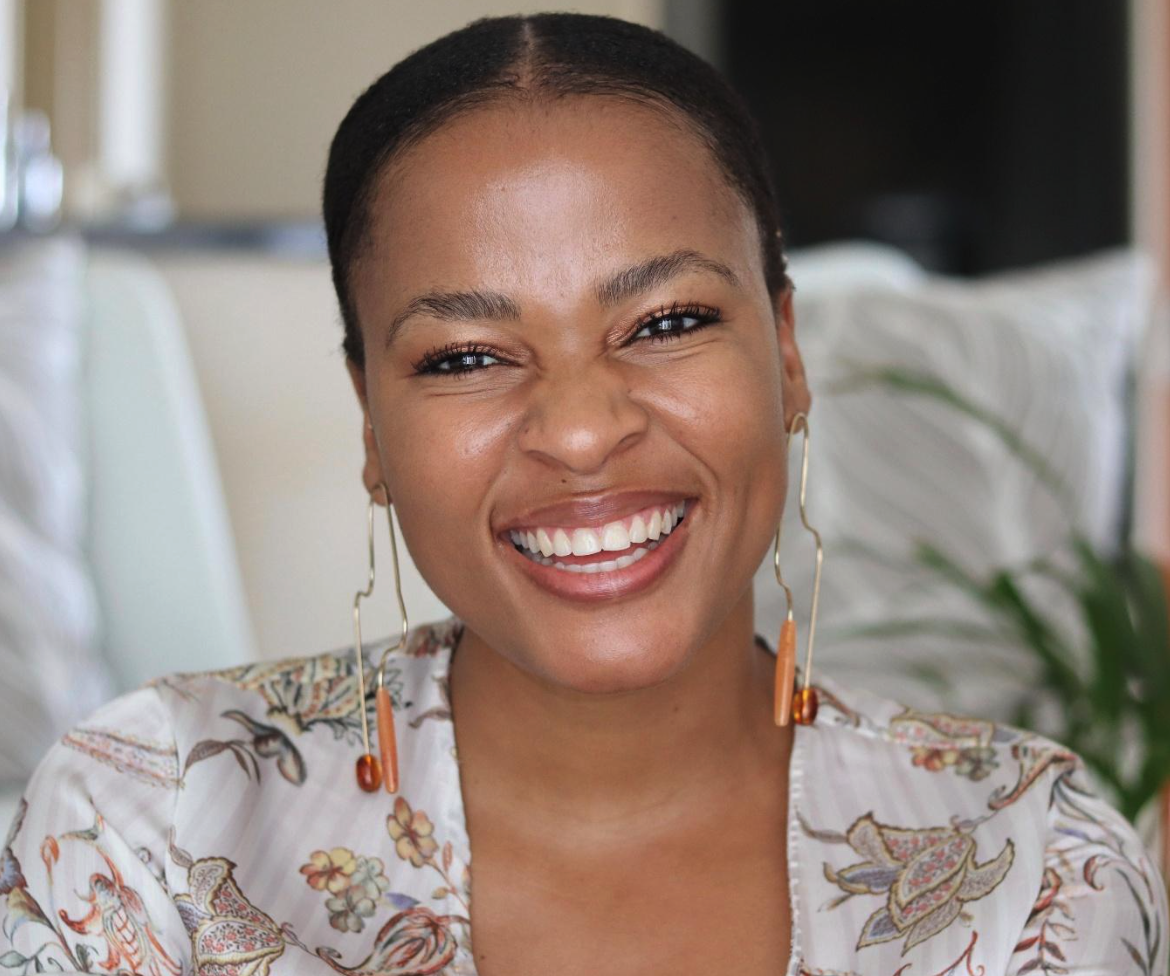
Itumeleng Tsatsi-Mosala
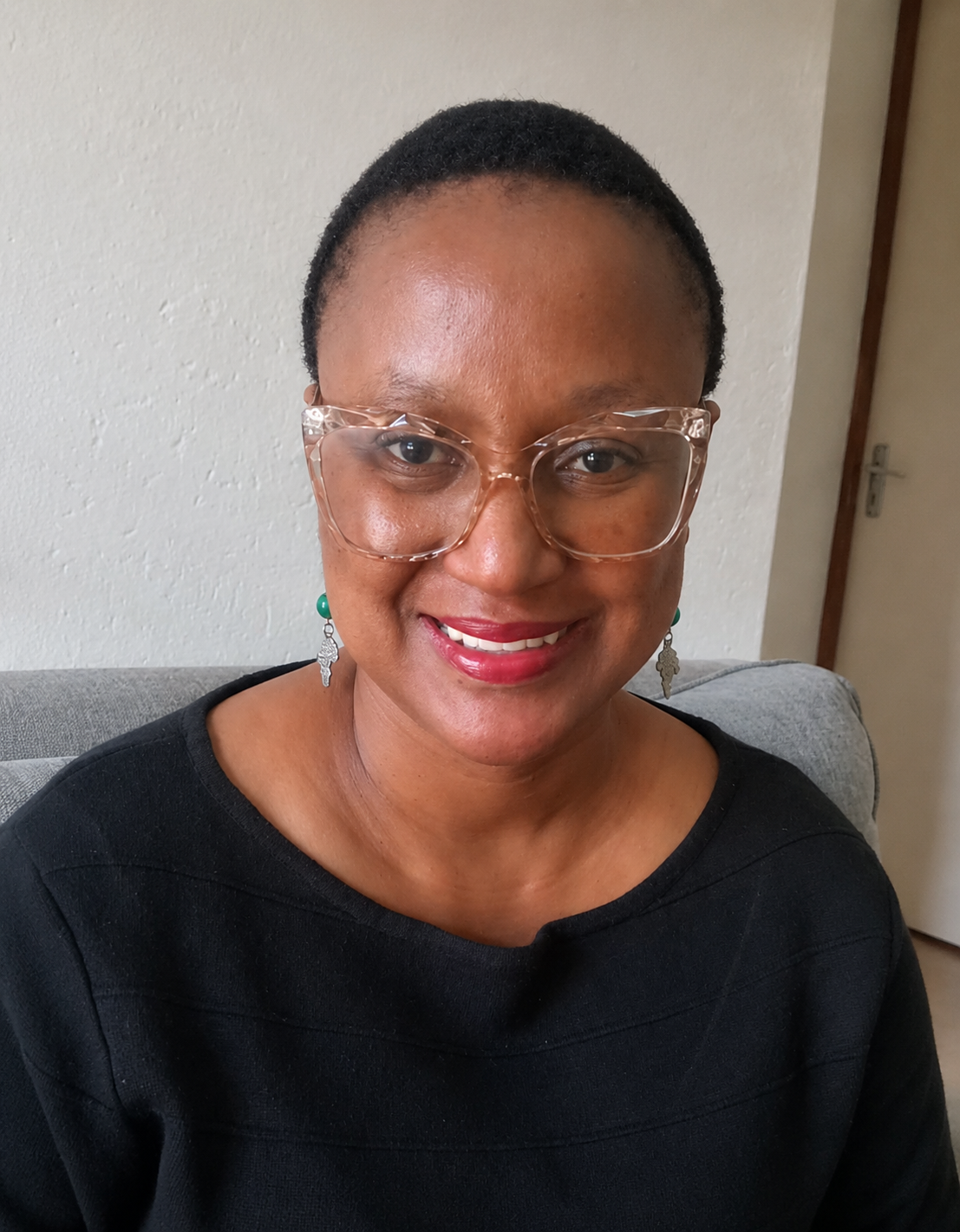
Itumeleng Tsatsi-Mosala is an occupational therapist and lecturer in the Department of Occupational Therapy at the University of the Witwatersrand, where her work sits at the intersection of mental health, occupational justice and innovation in health sciences education. In 2018, she was recognised as one of the Mail & Guardian 200 Young South Africans for her contributions to occupational therapy practice and in 2019 was named among News24’s 100 Young Mandelas of the Future. She is part of the 2024 cohort of the Wits Female Academic Leadership Fellowship. She is a CARTA fellow for the 2026 cohort. She serves as vice president on the OTARG Executive Committee, the editorial board of the South African Journal of Occupational Therapy and as an evaluator, examiner and moderator for the Occupational Therapy Professional Board of the HPCSA. She is the founder and host of the Occupational Perspective podcast, which amplifies global voices shaping the future of occupational therapy.
Dr. Mpho Mathebula
Deputy Secretary
Dr. Mpho Mathebula
Deputy Secretary
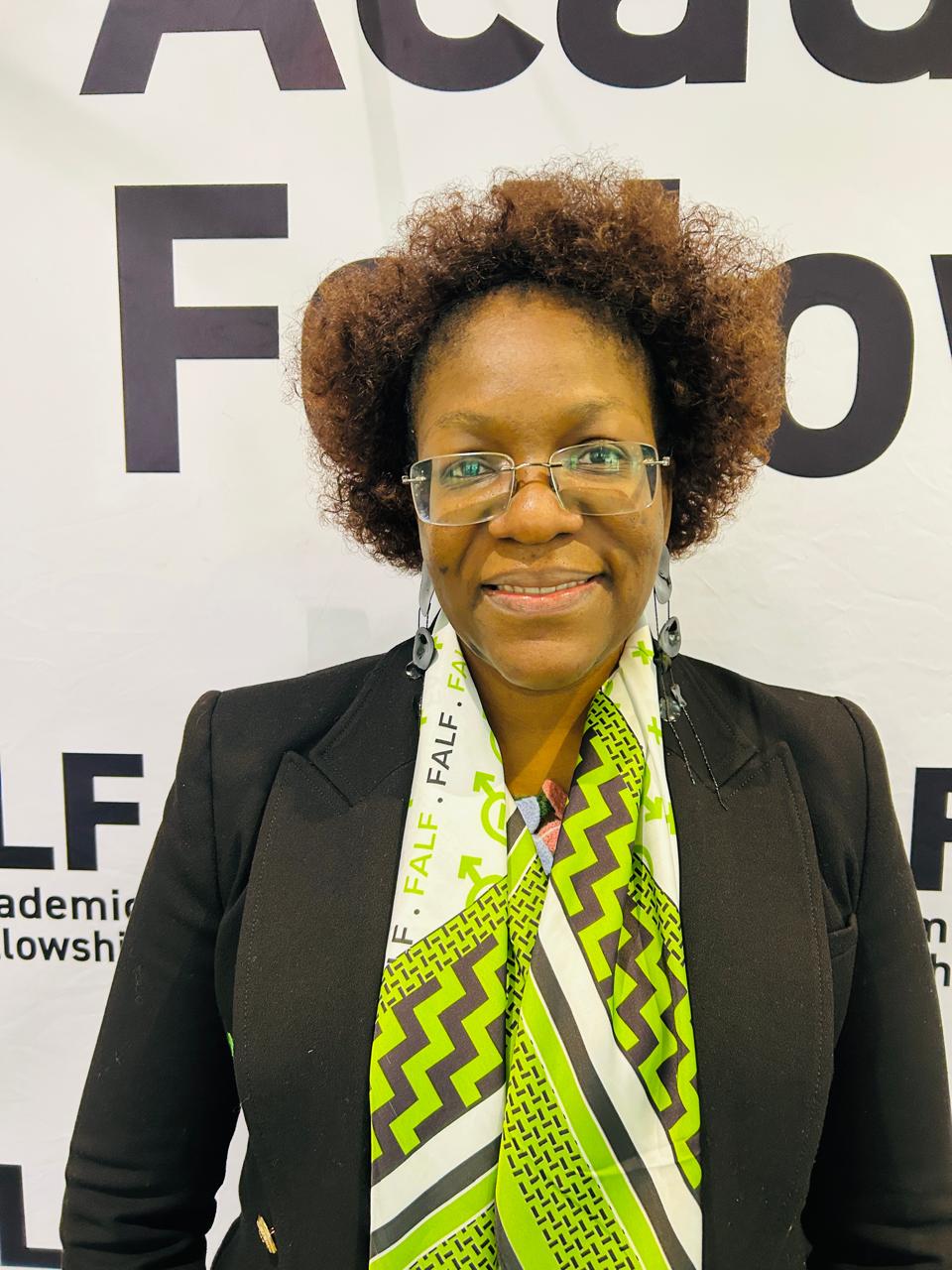
Dr Mpho Mathebula is a South African psychologist, academic, and feminist scholar in the Department of Psychology at the University of the Witwatersrand (Wits University), where she also serves as Chairperson of the Departmental Ethics Committee. She holds a PhD in Psychology from Wits University and has established an emerging international profile in African feminist psychology, decoloniality, affect studies, and gender justice.
Her research examines the psychosocial and affective dimensions of protest, gendered embodiment, domestic work, environmental injustice, and Black women’s lived experiences in South Africa. She is particularly recognised for her scholarship on naked body protests as forms of political resistance and decolonial praxis. Her work has been published in leading journals including Signs, Body & Society, Feminism & Psychology, and Social Movement Studies. She has also contributed chapters to major international scholarly collections on feminist and LGBTQ+ social movements, African gender studies, and critical affect studies.
Dr Mathebula leads and collaborates on interdisciplinary and international research projects, including a Wits-University of Leeds partnership on air quality, waste burning, and health inequalities in marginalised communities. Her research has attracted funding from initiatives such as the Female Academic Leadership Fund and the Horizons Research Programme.
She supervises postgraduate students across areas including gender, masculinity, mental health, sexuality, and domestic labour, and serves as a reviewer, examiner, mentor, and research adjudicator nationally and internationally.
Dr. Ida Risenga
Dr. Ida Risenga is a Senior Lecturer and researcher in the School of Animal, Plant and Environmental Sciences at the University of the Witwatersrand, Johannesburg. Her portfolio integrates academic teaching, research output, administrative service, and community engagement. She is actively involved in undergraduate and postgraduate teaching, curriculum development, student mentoring, research supervision, and participation in university-wide governance structures.
Dr. Risenga’s research lies at the intersection of plant biotechnology, phytochemistry, phytopharmacology, and environmental sustainability. Her work investigates the medicinal and nutritional properties of plants, particularly under the pressures of climate change. She employs methodologies in biotechnology, abiotic stress tolerance, environmental stress physiology, and climate-smart propagation to understand how environmental factors influence plant bioactivity and nutritional composition.
Renowned for her inclusive, student-centred teaching approach, Dr. Risenga consistently receives high evaluation scores for her clarity, preparedness, and mentorship. Her academic leadership extends to her role on the Faculty of Science Teaching and Learning Committee and the university’s Transformation Office, where she serves as a workplace mediator. She is a member of the Wits Senate and has previously served on the council of the South African Association of Botanists.
Dr. Risenga holds a 2022 Chancellor’s Fellowship through the Female Academic Leaders Fellowship (FALF) and currently serves on the Executive Committee of the FALF Alumni Association (FALFAA). Her professional practice is distinguished by initiative, academic excellence, and meaningful community engagement.
Prof Busisiwe Maseko
Professor Busisiwe Maseko is an Associate Professor and neuroscientist specialising in autism research, with a focus on the neurobiological underpinnings of autism in African populations. She leads the Thriving with Autism Research Laboratory, which integrates interdisciplinary neuroscience, experimental brain models, and community-based research to generate locally grounded evidence on autism prevalence, drivers, and lived experiences. Her work also explores innovative dietary and supplementary interventions to improve quality of life for autistic individuals and their caregivers. </brProfessor Maseko is committed to research-led teaching and postgraduate supervision, and to building African research capacity. Through strong partnerships with communities, healthcare providers, and policymakers, her work advances contextually relevant knowledge, reduces reliance on Global North research, and promotes equitable, evidence-based autism care.
Dr. Shune Oliver
Dr Shüné Oliver is a biochemist and medical entomologist at the National Institute for Communicable Diseases with a joint academic position in the Wits Research Institute for Malaria (WRIM). She has been employed as a medical scientist for over 20 years and a joint staff member for over 15 years.As part of the Vector Control Reference Laboratory, she contributes to South Africa’s malaria control initiative. This is through the maintenance of reference laboratory strains of mosquitoes, teaching and training as well as operational research.As a Senior Researcher in WRIM, her primary research interests involve understanding the effects of insecticide resistance on mosquito life history. Her major research focuses are the effect of pollution and climate change on mosquitoes, elucidating the effects of the environment on immunity as well as investigating novel mechanisms of vector control. She is an NRF Y-rated researcher with over 40 publications. This has been funded by over R6 million in funding from the NHLS, NRF, SAMRC and Grand Challenges Canada. Her postgraduate students have also won academic awards both within the university as well as nationally.
Over and above her research interests, she is actively involved in various aspects of academic citizenship. She is a reviewer for over 60 journals as well as a grant reviewer for both local and international agencies. She is an executive member of the Entomological Society of South Africa. She also has an extensive science engagement portfolio, both through writing and public speaking events.